Operational readiness is a team sport.
Why a successful handoff is about shared understanding—not just a completed checklist.
Editorial preview · Example content, not published work by Kevin.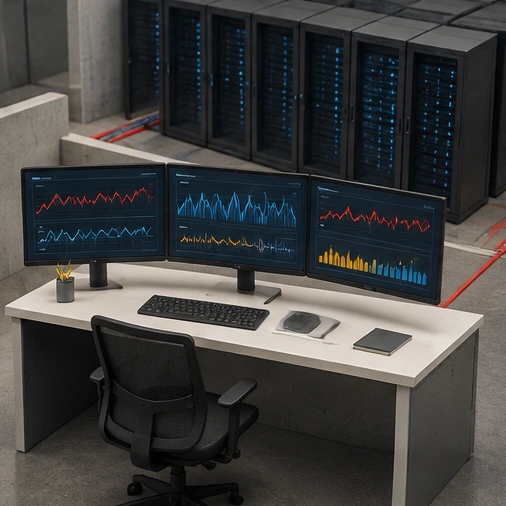
Generated illustrative artwork for this topic. Not a real facility or people.
A handoff is a conversation
Completing a checklist can record progress. It cannot, on its own, establish a shared understanding of what is being handed over. A useful readiness conversation makes expectations, dependencies, and responsibility explicit.
Make ownership understandable
Teams need to know who can make a decision, who needs to be consulted, and where uncertainty should go. These are general leadership questions, not a prescription for a particular facility or internal process.
Leave room for uncertainty
A readiness review should allow someone to say that an assumption is untested. The goal is not to remove every unknown; it is to understand which unknowns affect the decision and who will follow up.
The takeaway
Treat the handoff as shared understanding supported by evidence. Documentation helps, but the people accepting the responsibility need to be part of the conversation.