AI runs on more than models.
Behind every AI experience is a physical world of power, cooling, networks, and people. That’s where the conversation needs to start.
Editorial preview · Example content, not published work by Kevin.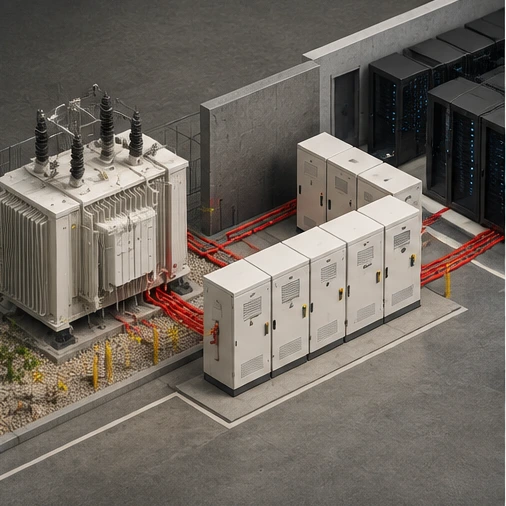
Generated illustrative artwork for this topic. Not a real facility or people.
Start with the system, not just the model
A useful way to think about AI is as a service supported by a physical and organizational system. Models are one part of it. Power, cooling, networks, operational processes, and the people responsible for them all shape whether that service can be dependable.
Readiness is a shared responsibility
A technical milestone is not the same thing as operational readiness. Before a system moves into service, teams need a shared understanding of ownership, escalation, dependencies, and what a healthy operating state looks like. Those conversations connect engineering decisions to day-to-day work.
Ask better questions
Who is accountable when a dependency fails? What evidence supports the readiness decision? How will teams learn from incidents? These are general questions for leaders and practitioners—not a description of any employer’s systems or procedures.
The practical takeaway
Treat reliability as ongoing work, not a launch-day achievement. Make dependencies visible, establish clear ownership, and leave room for people to raise uncertainty. The work behind the system deserves as much attention as the system itself.