Critical incidents: clear roles, clear decisions
A capability model for command, communication, handoff and learning—not a facility playbook.
Unpublished editorial review · Source-led educational synthesis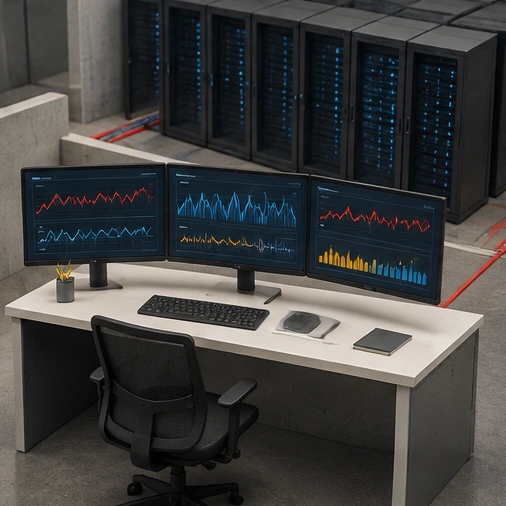
Make accountability visible
An educational incident-command model separates command and coordination, an operations/technical lead, safety, and communications/scribe functions. Smaller teams may combine roles only under their approved structure. Define decision authority, escalation and ownership before an incident, not by improvising from a public article.
A decision log should separate observed facts, working hypotheses, decisions, owners and timestamps. Executive updates should describe confirmed impact, unknowns, accountable actions and the next agreed update—not speculate about root cause or recovery time.
Approved procedures and change control
A method of procedure (MOP), standard operating procedure (SOP) and emergency operating procedure (EOP) have employer-defined purposes, approval and training requirements. This site supplies none of those documents. Changes need risk review, qualified authority, dependencies, communication and documented handoff.
A shift handoff carries system state, active risks, outstanding actions, decision ownership and approved escalation. Trend monitoring supports situational awareness but does not replace direct verification under the site’s authorized practices.
Learning after the event
Post-incident review and root-cause analysis (RCA) should examine contributing technical and organizational factors rather than blame individuals. Assign corrective actions, accountable owners, due dates and evidence of closure; check that a fix reduced the intended risk.
Drills and tabletop exercises can test communication and decision clarity without touching equipment. Use approved scenarios, trained facilitators and explicit learning goals. This public capability model is not an employer’s command structure or emergency procedure.
Sources and further reading
Operations and Maintenance
Reviewed public source
Describe best practices for datacenter operations
Reviewed public source
Commissioning and Performance Validation
Reviewed public source
The systems matter.
So does the conversation.
Grounded conversations about AI infrastructure, critical operations and leadership.